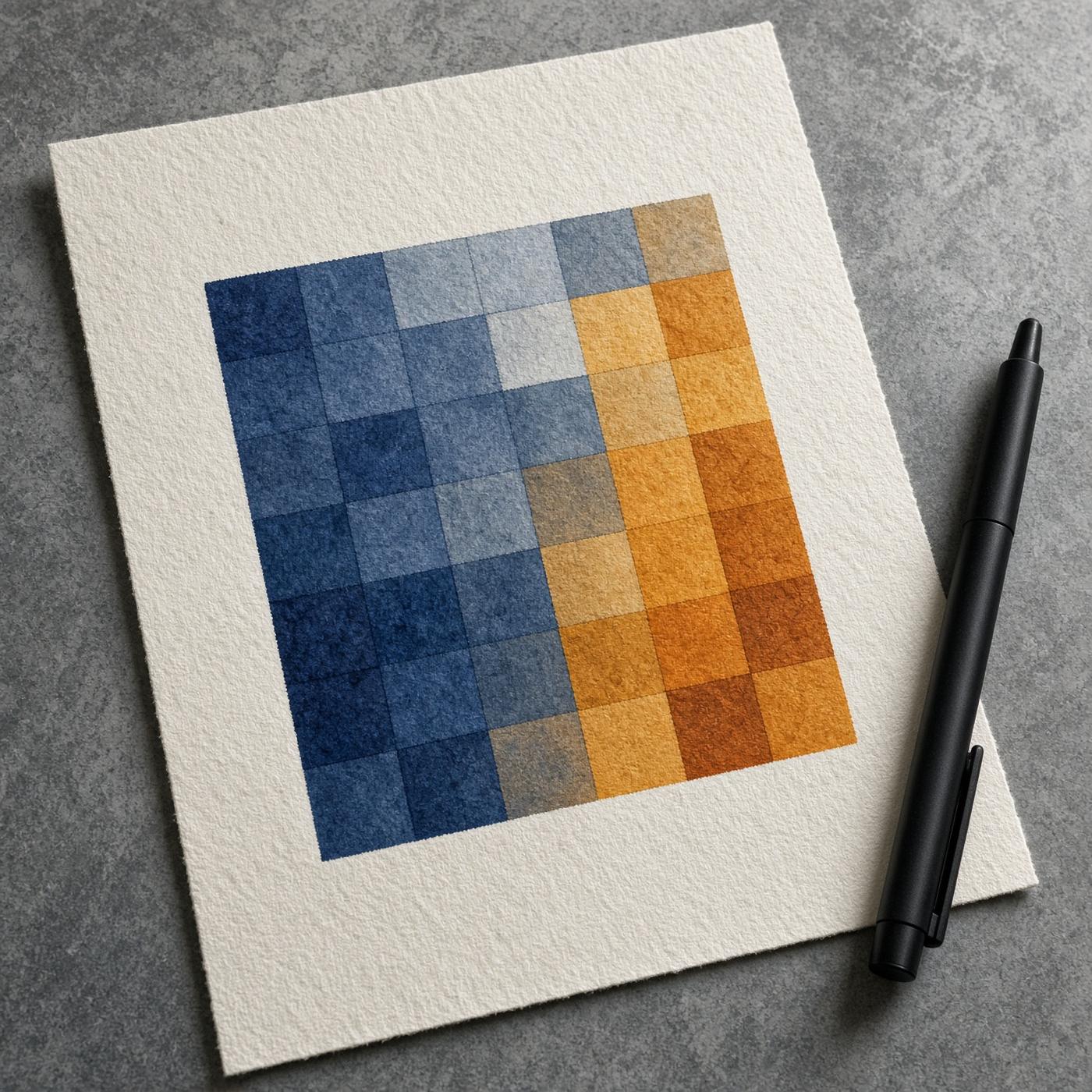
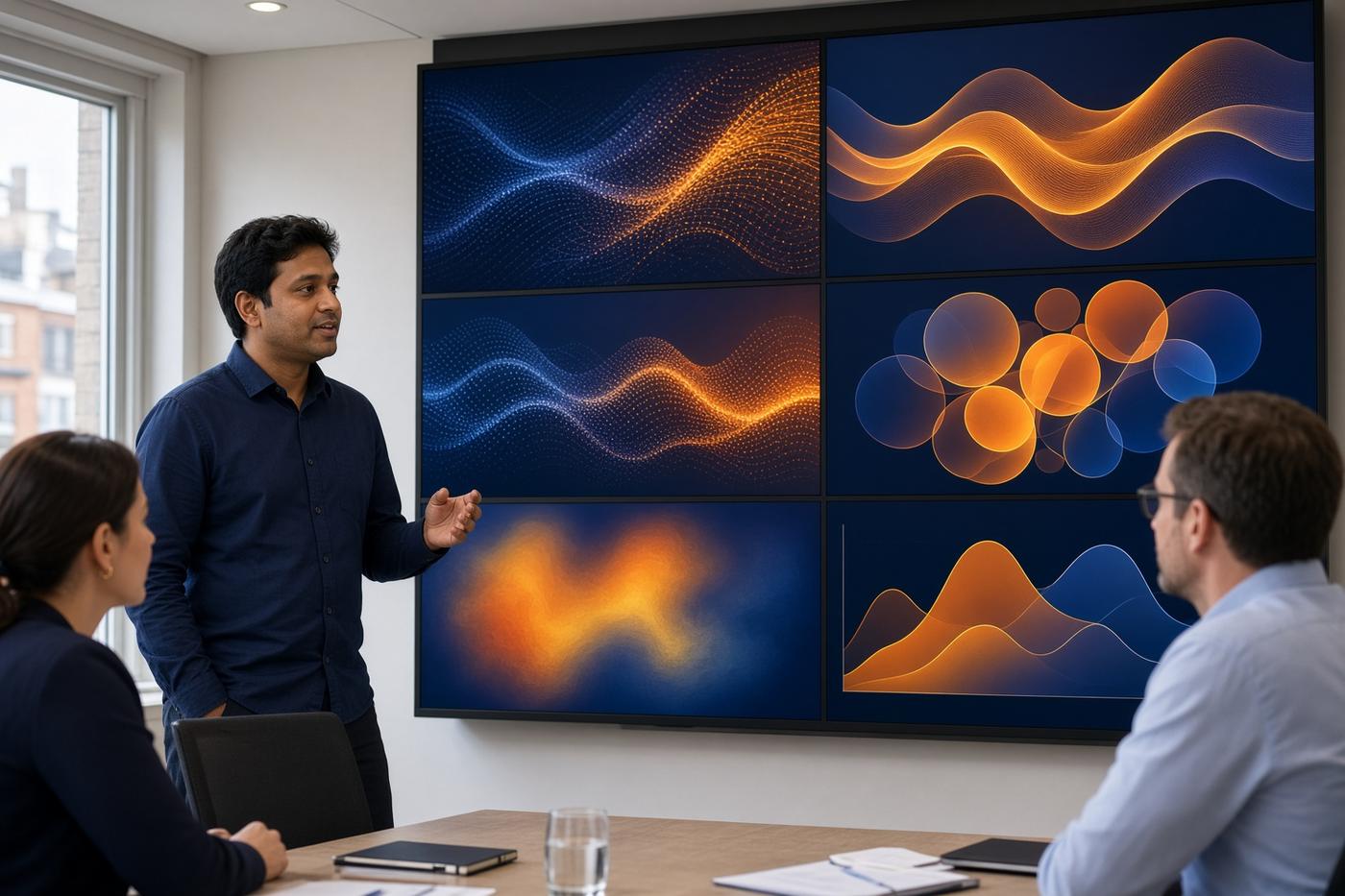
A colleague presenting an abstract wall of dashboard panels to two others

Dashboard design

Designed for the desk that actually watches.

Off-the-shelf risk suites arrive full of tiles and empty of judgement. We design the smaller surface your people will still open after the novelty has gone: clear hierarchy, defended thresholds, and a path from signal to owner.

The design phases

How a picture gets its shape

Four phases. We do not skip discovery to reach a colourful mock. A dashboard that flatters the workshop and fails the night shift is a failed design.

01

Foundation

Signal map

We sit with the people who already carry the risk: the duty manager, the complaints lead, the supplier owner, the person who gets the Sunday call. We list the decisions they make, the evidence they wish they had, and the numbers they no longer believe. Job descriptions are a starting point, not the map.

02 · Threshold craft

Each candidate signal gets a source, a latency, a green-amber-red rule, and a written reason. If the room cannot explain the amber line, we do not ship the tile.

03 · Altitude

Operations, risk committee and board each receive a designed view. Definitions do not change as the audience gets more senior. Density does.

04 · Rehearsal

A week in the life of the desk

Before build, we walk a normal Tuesday and a bad Thursday through the paper prototype. Who sees it first? What do they ignore? What would they screenshot into a chat message? Those answers change the design.
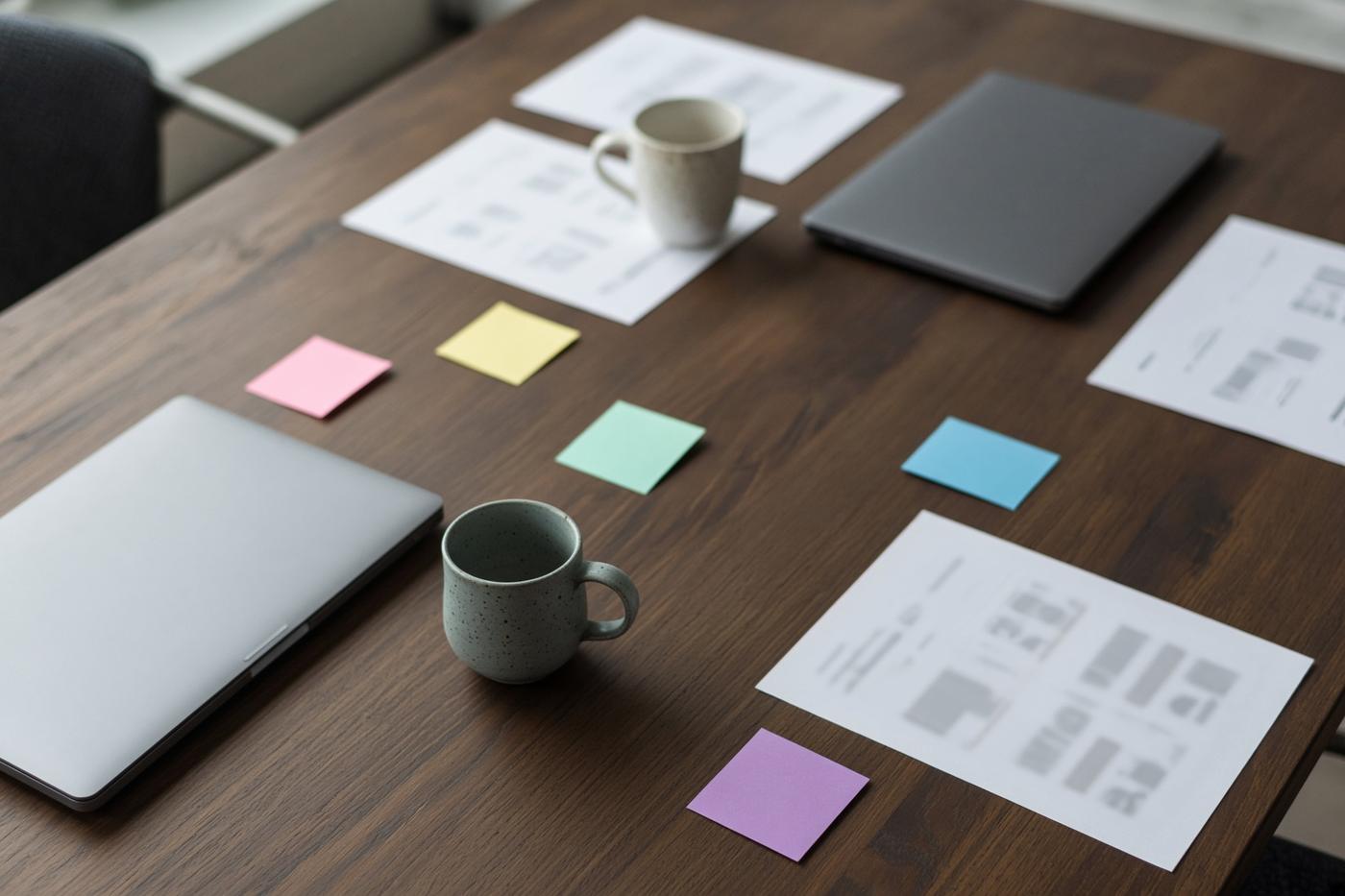
A workshop table with closed laptops and blank coloured notes

What you leave the design with

  • A signal catalogue. Name, source system, refresh, owner, deputy, threshold, and the decision the tile is allowed to trigger.
  • Three altitudes. Desk, risk committee and board, drawn so a director can trace a red tile back to the same definition the floor uses.
  • An escalation script. Not a policy paragraph. A short path: who, by when, with which evidence, and when the path stops.
  • A refusal list. Signals we will not show because they are late, unauditable, or likely to train people to ignore the desk.
A printed abstract heatmap with coloured cells and a pen Hands at a keyboard with indigo and amber light from a monitor

Ready to draw the desk?

Tell us the decision that currently depends on a late export. We will tell you plainly whether a dashboard is the right instrument.

Start a design conversation